Dt 1770 Pro Specs, Features, and Value: Is it worth the price tag?
Within the world of professional audio, few names carry as much historical weight as Beyerdynamic. Known for their robust German engineering and a sonic signature that has defined studio monitoring for decades, the brand has produced some of the most ubiquitous tools in the recording industry. Among their modern lineup, the Dt 1770 Pro stands as the evolution of a legend—specifically, the closed-back successor to the venerable Dt 770 Pro. While the original 770 design became a global standard for its reliability and affordability, the Dt 1770 Pro was introduced to bridge the gap between heavy-duty studio utility and high-fidelity Tesla technology. For many audio engineers, podcasters, and audiophiles, the central question remains: does the significant jump in price over its predecessor translate into a professional advantage that justifies the investment?
The Dt 1770 Pro is not just a cosmetic update; it represents a fundamental shift in driver technology and build philosophy. Marketed as a premium reference headphone for monitoring, mixing, and mastering, it enters a competitive marketplace where closed-back headphones often struggle to provide the spatial accuracy required for critical decisions. Closed-back headphones are traditionally chosen for their isolation—keeping sound in and keeping environmental noise out—but they frequently suffer from "boxiness" or compressed soundstages. Beyerdynamic aims to solve these acoustic hurdles using their proprietary Tesla 2.0 system. In this comprehensive review, we will dissect the technical specifications, explore the real-world performance across various audio disciplines, and determine if the Dt 1770 Pro lives up to its "Pro" moniker in a way that warrants its premium status.
Technical Specifications and Driver Technology
To understand the Dt 1770 Pro, one must first look at the heart of the unit: the 45mm Tesla 2.0 dynamic drivers. The term "Tesla" refers to the magnetic flux density within the driver. By increasing this density, Beyerdynamic allows for a much more efficient conversion of electrical signals into sound waves. The result is a driver that can react with incredible speed, reducing total harmonic distortion and providing a cleaner impulse response. This is particularly vital in a studio setting where an engineer needs to hear the precise "click" of a transient or the subtle decay of a reverb tail without the driver adding its own coloration or sluggishness.
The headphones operate at a nominal impedance of 250 ohms. For the uninitiated, this high impedance means the Dt 1770 Pro requires a dedicated headphone amplifier or a high-quality audio interface to perform optimally. While modern laptops and smartphones can technically "drive" them, the lack of sufficient voltage often leads to a thin, anemic sound profile and a lack of dynamic headroom. In a professional environment, this impedance is a benefit, as it allows for better signal-to-noise ratios and consistency across different professional-grade outputs. The frequency response is rated from 5 Hz up to 40,000 Hz, far exceeding the range of human hearing. While humans cannot hear 40 kHz, the extended range ensures that the frequencies we can hear remain linear and free from the phase shifts that often occur at the edges of a driver's physical limits.
The physical construction of the Dt 1770 Pro is a masterclass in industrial design. Moving away from the plastic-heavy feel of the lower-tier models, the 1770 Pro utilizes high-grade materials throughout. The headband is made of spring steel, wrapped in a removable, cushioned synthetic leather sleeve. The yokes are solid metal, and the ear cups themselves are made of a high-density composite that feels virtually indestructible. This ruggedness is a hallmark of the brand, ensuring that the headphones can survive the rigors of a traveling engineer or a chaotic studio environment where equipment is often dropped or stored haphazardly.
Sound Profile and Performance Analysis
The "Beyerdynamic Sound" is often described as having a V-shaped or U-shaped signature, characterized by emphasized bass and sparkling, sometimes sharp, treble. The Dt 1770 Pro maintains this heritage but refines it significantly through the Tesla drivers. The bass response is one of the most remarkable aspects of this model. It is not "bloated" or "muddy" like many consumer-oriented closed-back headphones. Instead, the low end is exceptionally tight, reaching deep into the sub-bass regions with authority. For electronic music producers or film composers who need to monitor low-frequency impacts and rumble, the 1770 Pro provides a level of clarity that is rarely found in the closed-back category.
In the midrange, the Dt 1770 Pro takes a slightly more "clinical" approach. While the mids are neutral and highly detailed, they can sometimes feel a bit recessed compared to the powerful bass and the energetic highs. This is a deliberate tuning choice for monitoring; it exposes flaws in recordings, such as sibilance in a vocal track or harshness in a guitar recording. However, for those looking for a "warm" or "romantic" listening experience, the 1770 Pro might feel a bit too honest or cold. In the context of a professional tool, this honesty is exactly what is required. If a vocal sounds harsh on the 1770 Pro, it likely is harsh, and the engineer knows they need to apply a de-esser or adjust the microphone placement.
The treble is where most debates regarding Beyerdynamic headphones take place. The 1770 Pro features a peak in the high frequencies that provides immense "air" and detail. This makes it very easy to hear the texture of a hi-hat or the breathiness of a singer. However, for those sensitive to high frequencies, this can lead to ear fatigue during long mixing sessions. Beyerdynamic mitigates this somewhat by providing two different sets of ear pads in the box: velour and synthetic leather. The leather pads emphasize the bass and isolation, making them perfect for tracking or loud environments. The velour pads slightly tame the bass and open up the soundstage, offering a more balanced profile that many find preferable for critical mixing tasks.
Looking for the best Audio & Headphones deals on Amazon?
Browse Now →Detailed Feature Breakdown
Beyond the internal drivers, the Dt 1770 Pro includes several quality-of-life features that justify its position as a flagship professional tool. Unlike the 770 Pro, which has a fixed cable, the 1770 Pro features a detachable cable system using a secure, three-pin mini-XLR connector. This is a crucial feature for professionals. Cables are the most common point of failure in headphones; being able to swap a damaged cable in seconds rather than sending the unit for repair or soldering a new lead is invaluable. Beyerdynamic includes both a three-meter straight cable and a five-meter coiled cable, catering to different workflow preferences.
Isolation is another area where the Dt 1770 Pro excels. Due to the high clamping force and the dense material of the cups, these headphones offer significant passive noise cancellation. In a recording booth, this prevents the headphone mix from "bleeding" into a sensitive condenser microphone while a vocalist is performing. In a noisy control room or on a plane, it allows the user to focus entirely on the audio without distraction. Despite the high clamping force, the headphones remain surprisingly comfortable for medium-length sessions, though the weight (approximately 388 grams without the cable) is noticeable compared to lighter, open-back alternatives.
Pros and Cons
- Pro: Exceptional Build Quality. Hand-crafted in Germany with metal components and replaceable parts, ensuring a lifespan that can span decades.
- Pro: Tesla 2.0 Driver Technology. Provides incredible transient response and low distortion, offering a high-resolution window into the audio signal.
- Pro: Superb Isolation. One of the best closed-back headphones for blocking out external noise and preventing sound leakage during tracking.
- Pro: Versatile Accessory Package. Includes two sets of pads (velour and leather), two cable types, and a premium hard-shell carrying case.
- Pro: Deep, Controlled Bass. Sub-bass extension is linear and impactful without bleeding into the mid-frequencies.
- Con: High Potential for Fatigue. The signature treble peak can be tiring for some users during extended listening or mixing sessions.
- Con: Significant Clamping Force. While necessary for isolation, it may feel tight for users with larger heads or those who wear glasses.
- Con: Power Requirements. The 250-ohm impedance necessitates a proper amplifier to achieve the intended sound quality and volume.
Professional Comparisons
For many potential buyers, the decision often comes down to how the Dt 1770 Pro compares to the industry staples and its own siblings. In the following table, we look at the specifications of the Dt 1770 Pro alongside the standard Dt 770 Pro (250 Ohm) and a common open-back competitor, the Dt 1990 Pro.
| Feature | Dt 1770 Pro | Dt 770 Pro (250 Ohm) | Dt 1990 Pro |
|---|---|---|---|
| Driver Type | Tesla 2.0 Dynamic | Standard Dynamic | Tesla 2.0 Dynamic |
| Acoustic Design | Closed-back | Closed-back | Open-back |
| Impedance | 250 Ohms | 250 Ohms | 250 Ohms |
| Frequency Range | 5 - 40,000 Hz | 5 - 35,000 Hz | 5 - 40,000 Hz |
| Cable | Detachable (Mini-XLR) | Fixed | Detachable (Mini-XLR) |
| Primary Use | Critical Monitoring/Tracking | General Studio Use | Critical Mixing/Mastering |
When comparing the 1770 Pro to the 770 Pro, the differences are not subtle. The 1770 is faster, clearer, and much more physically robust. However, the 770 Pro is significantly lighter and less expensive. For a hobbyist podcaster, the 770 Pro is likely sufficient. For a professional engineer who spends 40 hours a week with headphones on, the increased resolution and the safety of a detachable cable make the 1770 Pro a more logical long-term tool. Conversely, if isolation is not required, the Dt 1990 Pro (the open-back version) provides a much wider soundstage and more accurate imaging for mixing, though it is useless for tracking because it leaks sound into the room.
Buying Guide: Is it the right choice for you?
Deciding whether the Dt 1770 Pro is worth its price tag requires an honest assessment of your specific needs and your existing equipment. Because these are specialized professional tools, they are not a "one size fits all" solution for every audio task.
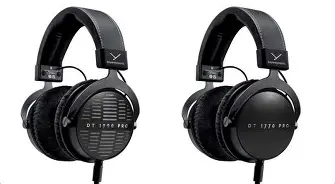
Scenario 1: The Tracking Engineer and Vocalist
If your primary goal is recording live instruments or vocals, the Dt 1770 Pro is arguably one of the best investments you can make. The isolation provided by the leather pads is world-class. It allows the performer to hear the backing track clearly at high volumes without that audio "ghosting" into the microphone. Furthermore, the robust bass helps drummers and bass players stay "in the pocket" by providing a visceral sense of timing. In this scenario, the value is very high.
Scenario 2: The Critical Mixing Professional
For mixing, the Dt 1770 Pro is a double-edged sword. Its ability to reveal technical flaws—pops, clicks, and sibilance—is unmatched in its price bracket for a closed-back headphone. However, the closed-back nature means the "soundstage" is somewhat intimate. You won't get the same sense of space and instrument placement that you would from an open-back headphone like the Sennheiser HD600 or Beyerdynamic’s own Dt 1990 Pro. If you must mix in a noisy environment, the 1770 Pro is your best bet, but if you have a quiet room, an open-back model might offer better value for purely mixing purposes.
Discover deals on Audio & Headphones — updated daily.
See Deals →Scenario 3: The Audiophile and Music Lover
For casual listening, the Dt 1770 Pro offers a "hi-fi" experience that is exciting and energetic. If you enjoy a detailed, punchy sound and you have a high-quality desktop DAC and amplifier, you will find a lot to love here. However, be aware that these headphones are "unforgiving." They do not make bad recordings sound good; they expose poor mastering and low-bitrate files. If your library consists of raw, older recordings or poorly produced tracks, the 1770 Pro might make listening a chore rather than a pleasure.
Requirements Check: Do you have an Amp?
Before purchasing, ensure you have the hardware to support them. Using the Dt 1770 Pro directly out of a standard headphone jack on a phone or basic controller will result in a disappointing experience. To see the value in these headphones, you need a dedicated headphone amp or a professional audio interface (such as those from RME, Universal Audio, or Focusrite) that can handle 250-ohm loads. Without this, the "Tesla" advantage is largely neutralized.
Real-World Reliability
One aspect often overlooked in "value" discussions is the cost of ownership over time. Beyerdynamic is one of the few companies that continues to sell virtually every individual component of their headphones as spare parts. If you wear out the headband, you can buy a new one. If an earcup breaks, it can be replaced. This philosophy transforms the Dt 1770 Pro from a "disposable" tech purchase into a piece of "legacy" gear. While the initial price tag is high, the fact that you can maintain them for 10 or 20 years significantly lowers the annual cost of ownership compared to cheaper headphones that must be replaced entirely when the cable or a hinge breaks.
The "Made in Germany" label here is not just for show. The tolerances are tight, the stitching on the pads is precise, and the overall rigidity of the frame suggests it was designed for a lifetime of use. For the professional whose livelihood depends on their gear functioning every single day, this reliability is often the most important factor in the value equation.
Natural Conclusion
The Beyerdynamic Dt 1770 Pro occupies a specific niche in the market: it is the "heavy-duty" version of a high-fidelity monitoring tool. It successfully takes the legendary utility of the Dt 770 Pro and injects it with the technical prowess of the Tesla 2.0 system. The result is a headphone that offers some of the most detailed, impactful, and isolated audio currently available in a closed-back configuration. While the price is several times higher than the entry-level studio models, the improvements in driver speed, material quality, and the inclusion of modern features like detachable cables provide a clear upgrade path for those who have outgrown their starter gear.
Ultimately, whether it is "worth it" depends on your tolerance for the famous Beyerdynamic treble and your commitment to professional-grade amplification. For the user who needs absolute isolation for tracking, or the engineer who requires a clinical tool to catch every flaw in a production, the Dt 1770 Pro is a formidable instrument. It is built to survive the hardest conditions and designed to tell the truth about the audio passing through it. While it may not be the most "relaxing" headphone for a quiet evening, it is undeniably one of the most capable tools ever produced for the modern studio environment. In the end, you are paying for precision, durability, and a heritage of sonic excellence that few other brands can legitimately claim.